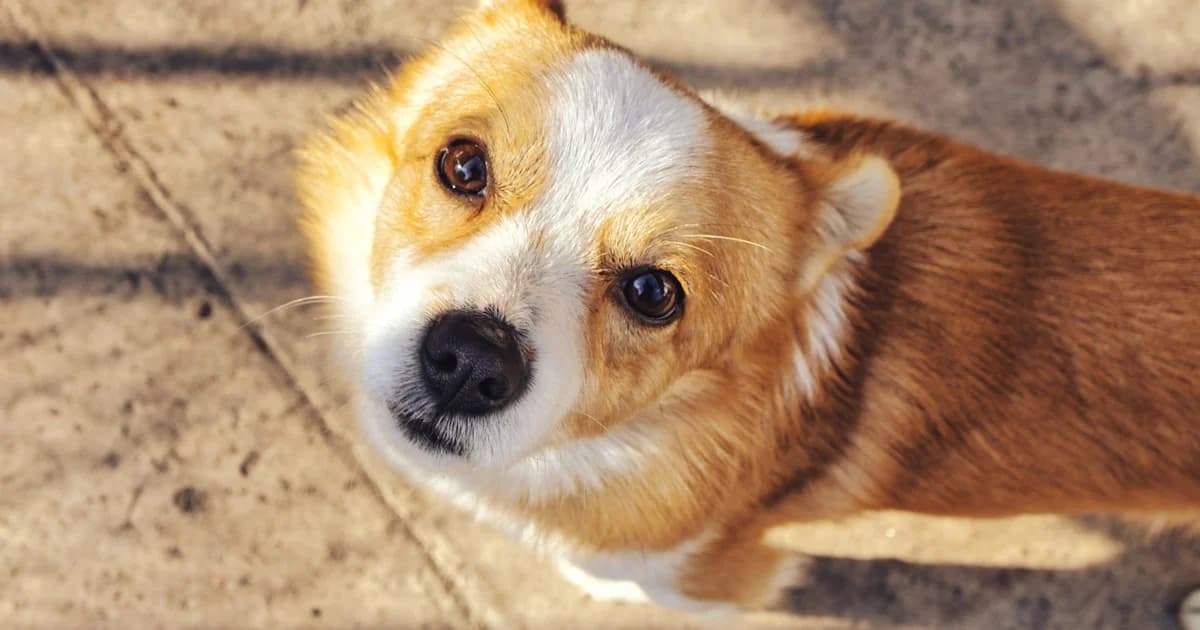
How Dogs Get Cancer the Same Way Humans Do
One in four dogs develops cancer during their lifetime. Among dogs over ten, it's the leading cause of death. These aren't statistics most owners know before the diagnosis arrives.
It comes down to genetics. Dogs and humans share approximately 84% of their genome — and they share the same cancer-driving genes.
The same mutations, in the same genes
Cancer starts when genes that control cell division, DNA repair, and cell death accumulate mutations. The same genes fail in the same ways across species.
A 2023 study analysed 671 dogs across 23 tumour types. Researchers found the same driver mutations that oncologists identify in human tumours. TP53 mutations appeared in 22.5% of canine cases. PIK3CA H1047R — a hotspot mutation in human breast and colorectal cancer — was present at the same amino acid position in dog tumours. BRAF V588E in canine bladder cancer is the direct equivalent of human BRAF V600E, the mutation targeted by vemurafenib in human melanoma and thyroid cancer.
These aren't approximate similarities. The mutations are identical, in the same genes, at the same molecular positions.
Why dogs are better cancer models than mice
Most of what we know about cancer biology was learned from laboratory mice. But those models have a significant limitation: mouse tumours are artificially implanted. The mouse's immune system didn't grow up alongside the cancer, and the resulting tumour microenvironment — the web of blood vessels, immune cells, and signals surrounding a real tumour — doesn't reflect what happens in natural disease.
Dogs develop cancer spontaneously, exactly as humans do. Their immune system grows up alongside the tumour. The microenvironment — blood vessels, immune cells, inflammatory signals — is intact. This is why the US National Cancer Institute operates a formal Comparative Oncology Program studying naturally occurring cancers in pet dogs to inform human clinical trials.
Three mutations worth knowing by name
TP53 is the gene that instructs damaged cells to stop dividing — and to die if the damage is irreparable. In dogs, TP53 mutations appear in 22.5% of all cancers. For canine osteosarcoma specifically, that figure rises to 71%. TP53 mutations play the same role in human cancer, and their prevalence across both species reflects how central this gene is to cancer development generally.
KIT drives growth in certain blood cell lineages. Mutations in KIT are found in canine mast cell tumours — the same gene targeted by imatinib (Gleevec) in human gastrointestinal stromal tumours. Toceranib (Palladia), the main targeted therapy in veterinary oncology, works on KIT for exactly this reason: the discovery from human medicine translated directly because the biology was the same.
BRAF V588E in canine urothelial cancer is the molecular equivalent of BRAF V600E in human melanoma. Drugs like vemurafenib and dabrafenib were developed against this mutation in humans. The canine version carries the same functional consequences.
These three aren't cherry-picked. They illustrate a consistent pattern: the same genes, failing in the same ways, in both species.
What shared biology means for treatment
If the molecular biology is the same, treatments that engage that biology should transfer across species. This is the scientific basis for applying human cancer research to dogs.
Personalised mRNA cancer vaccines sequence a tumour, identify the specific mutations driving it, and encode those mutations into a vaccine that trains the immune system to attack cells carrying them. We explain the full mechanism in our post on how personalised cancer vaccines work.
More than 150 human clinical trials of this approach are underway across 20+ cancer types. Dogs have the same sequencing technology available to them. The same mRNA platform functions in canine cells. T cells in dogs recognise neoantigen-presenting cells through the same pathways as in humans. The human trial results — including a 49% reduction in melanoma recurrence risk at five years in Moderna's personalised vaccine trial — reflect biology that applies to both species.
This works because the biology is conserved. Taking what's been validated in human trials and applying it to dogs doesn't require new discoveries — it requires the infrastructure to actually do it.
At Novectis, we coordinate the sequencing, neoantigen selection, mRNA synthesis, and administration needed to deliver personalised cancer vaccines for dogs in Switzerland. We work under Switzerland's Formula magistralis exemption, which permits individually compounded medicines manufactured on the basis of a veterinary prescription for a specific animal.
If your dog has been diagnosed
A cancer diagnosis is a difficult moment. The right first step is a referral to a board-certified veterinary oncologist, who can assess the tumour type, grade, and stage and recommend appropriate standard-of-care treatment.
If you want to understand what a personalised vaccine approach might look like — alongside or after standard treatment — our Founding Patient Programme is accepting a limited number of dogs. Each case contributes anonymised data that improves the science for every dog that follows.
Apply to the Founding Patient Programme
A limited number of places are open. Tell us about your dog and we'll respond within 48 hours.
Apply nowTags